

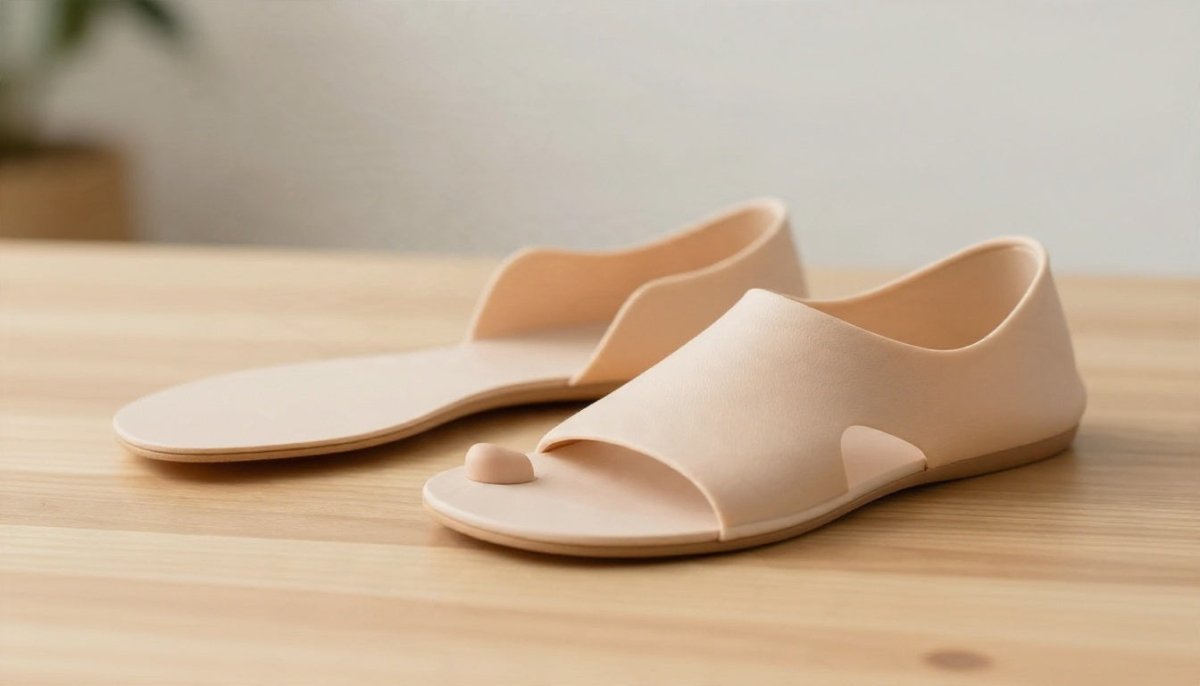
Barefoot shoes are lightweight, flexible shoes designed to let your feet move with less interference than many conventional shoes. They typically have thin soles, little or no height difference between the heel and forefoot, and room for your toes.
If you're used to cushioned sneakers, a minimalist pair may feel noticeably different underfoot. Some research suggests possible foot-strength benefits, but those benefits aren't guaranteed, and this style doesn't suit everyone.
The best starting point is to understand the shoe's construction and how it fits your feet.
What Are Barefoot Shoes, and How Are They Built?
Barefoot shoes, also called minimalist shoes, aim to give your feet more freedom to bend and move during walking or other activities. An expert panel described minimalist footwear in terms of flexibility, low weight, low sole height, a low heel-to-toe drop, and the absence of motion-control features.
Look for a flexible sole, low drop, and room for toes
A typical minimalist shoe has a thin sole that bends readily with the foot. Its forefoot is often broad enough to let the toes spread, while its lightweight construction adds relatively little bulk.
Zero-drop means the heel and forefoot sit at the same height inside the shoe. A low-drop shoe has a small height difference, with the heel slightly higher. Neither term tells you how thick the sole is: A zero-drop shoe can still have substantial cushioning.
Some minimalist shoes also have little or no built-in arch support. That changes the feel underfoot, especially if you're accustomed to a structured insole.
Check the shoe itself instead of trusting its label
The words "barefoot" and "minimalist" don't guarantee a standard set of features. One shoe may have a flexible sole but a tapered toe box. Another may have a roomy front but more cushioning or arch support than you expect.
Look at the shoe from above, feel its interior, and gently bend the sole. Then try it on. A design that looks broad on a shelf may still press against the sides or tops of your toes once you're standing.
What Benefits Can Barefoot Shoes Offer?
The appeal of barefoot footwear often comes down to two things: space for the toes and less material between the foot and the ground. Research also suggests possible strength benefits, although the evidence has limits.
More room can let the toes spread naturally
A roomy toe box gives your toes space to move as you walk, rather than holding them together in a narrow front. That can feel comfortable if your current shoes press against your toes or restrict their movement.
The shape matters as much as the width label. A shoe can be wide through the ball of the foot yet taper where your toes need space. It should also have enough height above your toes so they don't rub against the upper.
More room doesn't mean your foot should slide around. You still need a secure fit through the heel and midfoot.
Less structure may encourage foot-muscle use
With less cushioning and support, the muscles in your feet may work differently during activity. Some studies have found gains in foot strength, including strength in the smaller toes, after people used minimalist shoes.
A 2025 systematic review included 28 studies with 1,399 participants and found evidence of possible strength improvements. However, the certainty of the evidence was low to very low, and findings on muscle size were inconsistent.
These results don't prove that barefoot shoes prevent injuries or improve health for every wearer. They also don't mean you need to switch footwear to make your feet stronger.
What Changes When You Switch from Cushioned Shoes?
A minimalist shoe changes the amount of material and structure between your foot and the ground. That can change how a walk feels and how much work your feet and lower legs do.
Expect a different feel underfoot, not instant comfort
A thin sole lets you notice more of the surface beneath you. Pavement, uneven sidewalks, and small stones may feel more distinct than they do in a thick, cushioned sneaker.
The flexible construction can also feel unfamiliar as your foot bends. Some shoppers like that sensation; others prefer more padding or support. Comfort depends on your feet, the fit, and how you plan to use the shoes.
Give yourself time to assess the feel while moving. A pair that feels pleasant for a minute indoors may feel different after a longer walk on a hard surface.
Match the shoe to the surface and activity
Consider where you'll wear the shoes most often. For everyday errands, you may want a comfortable upper and a sole that suits sidewalks. On trails, grip and protection from rough ground become more important.
Pay attention to how much of the terrain you can feel through the sole. A very thin design may appeal on smooth paths but feel uncomfortable on rocky ground. If you prefer more padding for those conditions, our guide to choosing ASICS road or trail shoes covers a more cushioned option.
Who Should Be Careful With Barefoot Shoes?
A sudden switch to less cushioning can place unfamiliar demands on your feet, calves, and Achilles tendons. Running or walking your usual distance in a new minimalist pair can be a substantial change in activity, even if the route stays the same.
When to ask for clinical guidance
Talk with a podiatrist or another qualified clinician before changing footwear if you have reduced foot sensation, diabetes-related neuropathy, an active foot or lower-limb injury, or another condition that affects your footwear needs.
Reduced sensation can make it harder to notice rubbing, pressure, or injury. The American Diabetes Association's foot care guidance advises people with diabetes to protect their feet and avoid walking barefoot. A thin-soled shoe is different from going barefoot, but it may not provide the protection an individual needs.
If you use prescribed orthotics or have been advised to wear supportive shoes, discuss any change with your clinician first. Your usual footwear may address needs that a minimalist design doesn't.
Pain is a reason to pause, not push through
New shoes can feel unfamiliar, but pain or worsening symptoms are reasons to stop or reduce their use. Don't keep wearing a pair through sharp discomfort, recurring blisters, or irritation that gets worse with each outing.
Make note of where the discomfort occurs and when it starts. If pain persists or skin damage keeps returning, a podiatrist or other foot-health professional can help assess your situation. A different size or shape may help with fit, but persistent symptoms deserve individual attention.
How to Choose and Check the Fit of Barefoot Shoes
A shoe can have every feature you want and still be the wrong shape for your foot. Try on both shoes and judge them while standing and walking, rather than relying on the size label alone.
Try both shoes with your usual socks
Wear the socks you expect to use with the shoes. Stand with your weight on both feet and check that your longest toes have space at the front. Your toes should move without pressing against the sides or top of the shoe.
Next, walk and turn. The heel should feel secure without rubbing, and the midfoot should feel comfortably held. If you're considering a trail shoe, notice whether your foot slides forward as you move. Extra space at the front won't help much if your toes hit it on a descent.
Avoid pulling the laces tight to make up for excess space. Lacing can adjust the hold, but it can't correct a shoe that's the wrong shape. Our guide to testing shoe fit while standing and walking offers more ways to assess the whole pair.
Notice pressure, rubbing, and changes in your stride
Pay attention to how you walk. If your toes grip the sole, your steps feel shorter, or you change your push-off to avoid pressure, the fit may need work. Feel for rubbing at the heel and concentrated pressure across the toes or midfoot.
Identify the area that bothers you, then compare another size or shoe shape. A longer shoe isn't always the answer to a narrow toe box, and extra length can let the foot slide.
Don't count on a painful pair becoming comfortable with wear. Our advice on shoe break-in and fit expectations explains which parts of a shoe may remain restrictive.
How to Transition to Barefoot Shoes Gradually
Switching footwear is also a change in activity. Start with less time or distance than you normally cover, and give your feet and lower legs time to respond before increasing it.
Start with short, easy periods of wear
Begin with brief, comfortable walks on a familiar surface. If you plan to run or exercise in the shoes, start with a short, easy session rather than your usual workout. Keep your other shoes available for the rest of your day.
Increase time or distance only when the activity feels comfortable and your feet and lower legs continue to feel well afterward. There's no proven schedule that guarantees an injury-free transition, so treat any suggested mileage increase as a cautious rule of thumb.
Choose a period when you can reduce activity if needed. Training for a marathon or preparing for a long hike is a poor time to make a sudden footwear change.
Make room to adapt and respond to symptoms
Consider reducing your overall walking or running volume while you introduce the new shoes. Swapping footwear for every mile of your regular routine can expose your feet to more change than you intended.
Allow time between sessions and notice how you feel later that day and the next morning. If pain develops, stop or scale back. Return to a comfortable level of activity rather than following a fixed schedule through discomfort.
People adjust at different rates, and some find that minimalist footwear doesn't meet their needs. Keeping a more cushioned or supportive pair in rotation is a reasonable choice.
Choose the Shoe That Fits Your Needs
Barefoot shoes offer a flexible, lightweight feel and often give toes more room. They may help strengthen some foot muscles, but research doesn't guarantee a benefit or show that these shoes prevent injuries.
Compare the actual construction with the surfaces and activities you have in mind. A comfortable fit and gradual adjustment matter more than a label.
If a health condition or persistent symptoms make the choice uncertain, ask a qualified professional for guidance before changing your footwear.


