

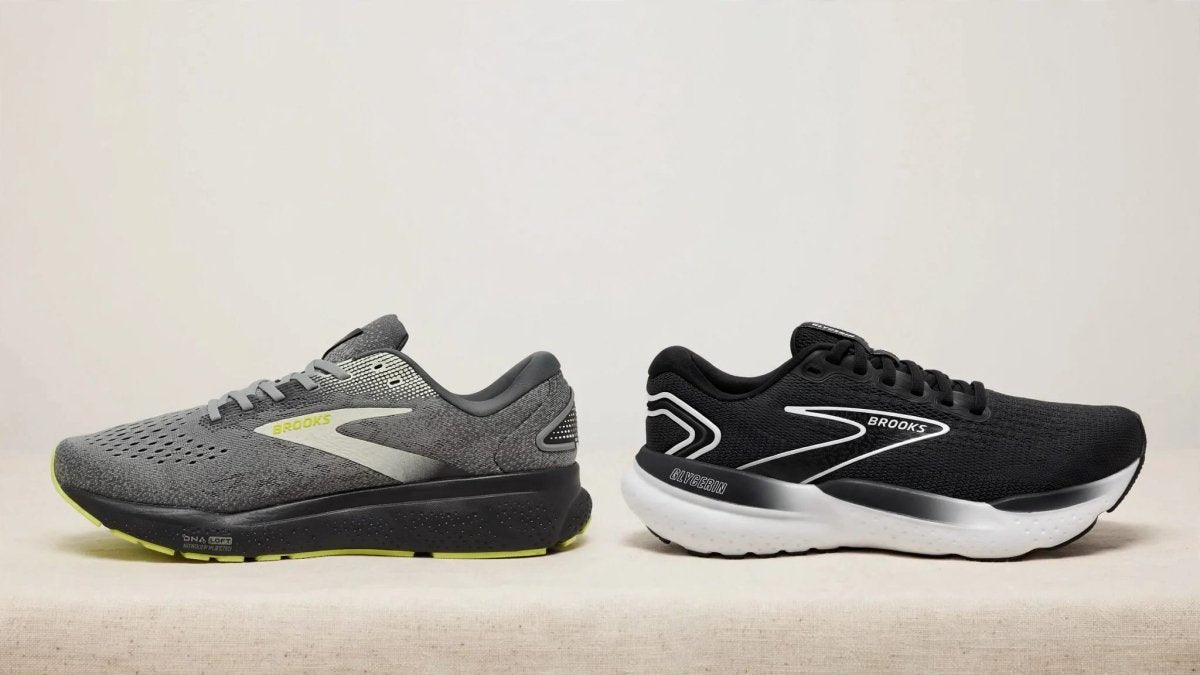
Brooks DNA LOFT v3 is a cushioning foam designed to give everyday running shoes a soft, comfortable ride. You'll find it in models with different amounts of cushioning and support, so the foam name alone won't tell you which shoe fits your needs.
The whole shoe design matters, including its shape, fit and support features. Here's how to compare the Brooks models that use this foam and find the right feel for your daily miles.
What is Brooks DNA LOFT v3 cushioning?
DNA LOFT v3 is a foam in the midsole, the layer between your foot and the outsole. Brooks describes it as a blend of EVA foam, rubber and air, made using a large-cell foaming process. Some shoes use a nitrogen-infused version.
The material is designed to compress under your weight and recover as you move through your stride. That gives the shoe cushioning for repeated steps on roads and other firm surfaces.
What nitrogen infusion means
Brooks says adding nitrogen can make the foam softer, lighter and more responsive. In a running shoe, responsiveness describes how the cushioning feels as it recovers after compression.
That doesn't mean every nitrogen-infused shoe will feel springy or fast. The amount of foam, the outsole and the shape of the sole all affect the ride. Brooks identifies the Ghost 18 and Adrenaline GTS 25 as using nitrogen-infused DNA LOFT v3.
Why the same foam can feel different
A thick layer of cushioning changes the distance between your foot and the ground. The shoe's width and sole shape also influence how steady and flexible it feels.
For example, the Ghost 18 and Ghost Max 4 both use DNA LOFT v3, but the Ghost Max 4 has a higher stack of cushioning. If you're comparing them, focus on how each shoe feels during a full step rather than pressing the foam with your thumb.
How DNA LOFT v3 feels during daily runs
DNA LOFT v3 is a useful place to start if you want a softer landing without choosing a racing shoe. In an everyday trainer, its job is to make regular miles comfortable at the pace you normally run.
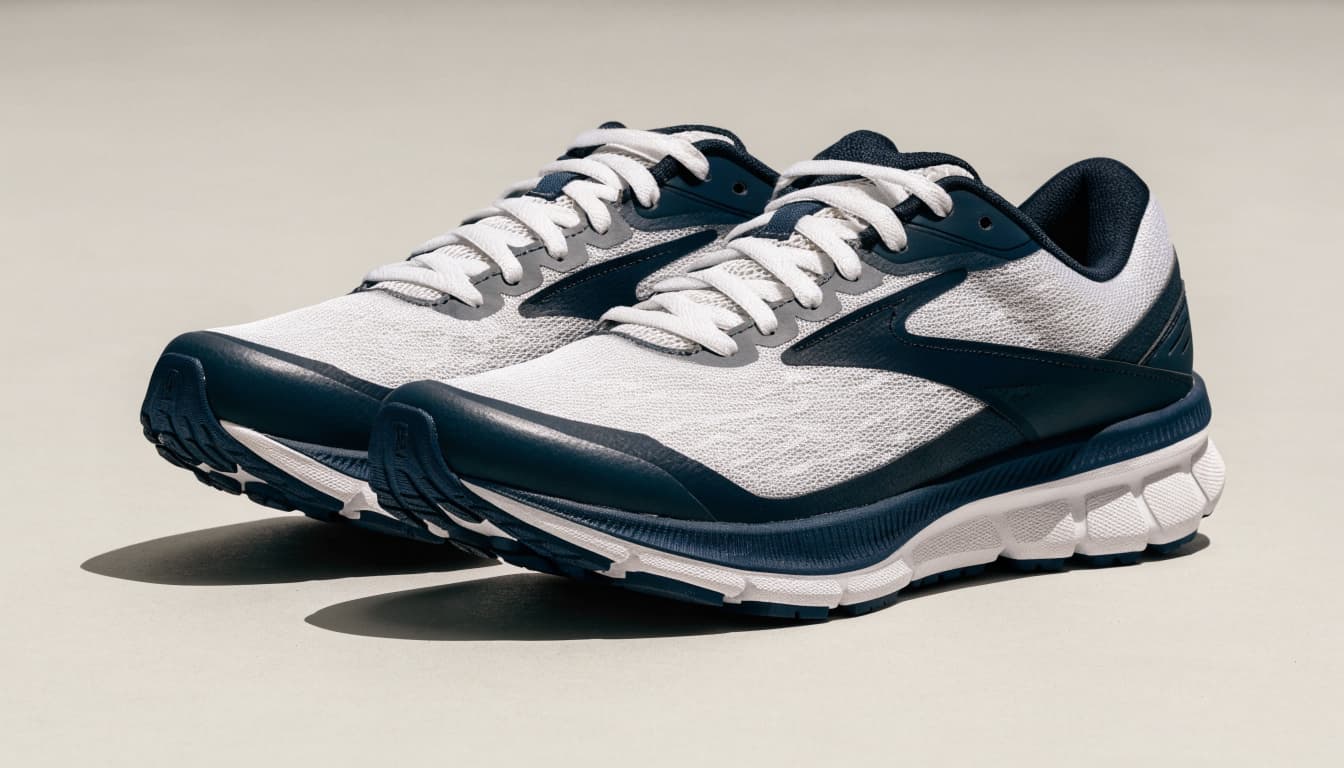
Illustration of a Ghost 18-style daily trainer.
Softness and responsiveness
A soft midsole compresses as your foot lands. Responsiveness describes the sensation as it recovers and you move toward your next step. Both qualities contribute to the ride, but a shoe can emphasize one more than the other.
The Ghost 18 aims for a balanced feel, with cushioning for landings and a responsive toe-off. That makes it a practical option for runners who want one shoe for regular road miles.
Cushioning and support are different
Cushioning affects how the surface feels underfoot. Support concerns how the shoe helps guide or steady your foot through a stride.
A soft shoe may feel comfortable without having added stability features. If you prefer a guided feel, look at a model such as the Adrenaline GTS 25, which combines DNA LOFT v3 with Brooks GuideRails. You can compare that design with other Brooks stability shoes for everyday running.
Ghost 18 and Ghost Max 4: Two cushioned choices
Both Ghost models are neutral road shoes with DNA LOFT v3. Their main difference for shoppers is the amount of cushioning and the feel of the platform.
Ghost 18 for balanced daily miles
The Brooks Ghost 18 is a sensible starting point if you want a familiar daily trainer for running and walking. Its nitrogen-infused foam supports a soft landing, while its less substantial profile may appeal to runners who don't want a high-stack shoe.
Brooks lists a 10 mm heel-to-toe drop for the Ghost 18. Drop is the difference in cushioning height between the heel and forefoot, not the total thickness of the sole. Our women's Ghost 18 in white, black and rose gold is listed at $149.95.
Ghost Max 4 for more cushioning underfoot
Brooks describes the Ghost Max 4 as having an ultra-stacked layer of DNA LOFT v3. It's worth considering if you want more material between your foot and the pavement.
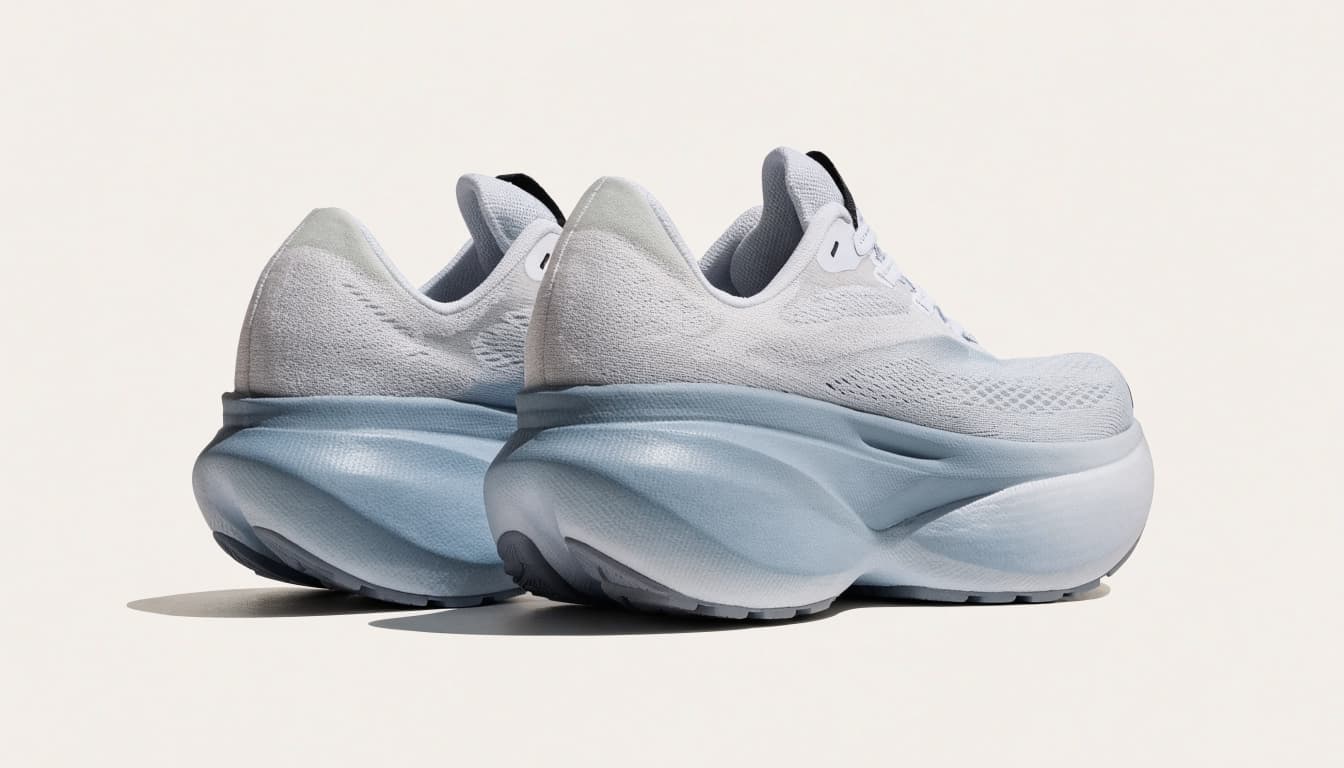
Illustration of a Ghost Max-style cushioned trainer.
A higher stack can feel protective, though some runners prefer the closer-to-the-ground sensation of a less substantial sole. The men's Ghost Max 4 is listed at $165 in the Brooks Ghost collection. Try it alongside the Ghost 18 to compare the feel through your entire stride.
Adrenaline GTS 25 adds guided support
The Brooks Adrenaline GTS 25 pairs nitrogen-infused DNA LOFT v3 with GuideRails support. It's a prior-generation model, but it's a useful option for shoppers who want a cushioned road shoe with a more guided feel.
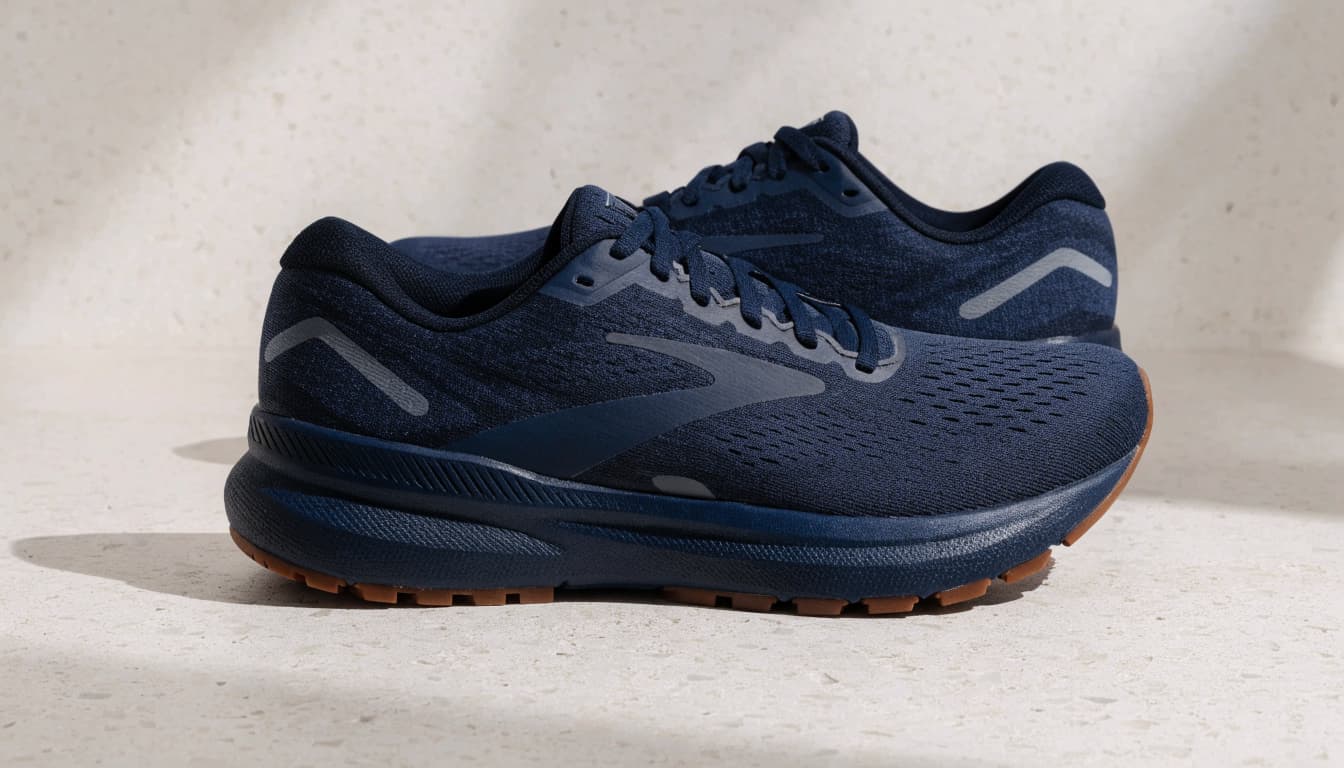
Illustration of an Adrenaline GTS-style support shoe.
How GuideRails work
GuideRails are support features built into the shoe to help guide movement. Their purpose is different from the cushioning foam underneath your foot.
You don't need to choose a support shoe solely because it sounds more protective. If a neutral shoe feels comfortable and steady, it may suit you well. On the other hand, the Adrenaline is worth trying if you prefer the sensation of added guidance.
Our guide to Brooks GuideRails support explains how the system fits into the brand's running shoes.
How the GTS 25 changes the cushioning
Brooks added 3 mm of foam in the forefoot and 1 mm in the heel of the Adrenaline GTS 25 compared with its predecessor. That gives it more cushioning material while retaining its support-oriented design.
Comfort still depends on fit. During a try-on, pay attention to pressure around your arch and midfoot as well as the softness beneath your heel.
How Glycerin 23 compares
The Brooks Glycerin 23 is another cushioned neutral road shoe, but it uses DNA TUNED foam rather than DNA LOFT v3. Brooks lists the men's version at $175.
DNA TUNED uses different cell sizes in the foam to create softer landings and a more responsive toe-off. The Glycerin 23 also has a wide platform and a plush feel, making it an option if cushioning is your priority.
The comparison below separates the main choices by their design.
| Shoe | Cushioning | Support style | Starting point for shoppers |
|---|---|---|---|
| Ghost 18 | Nitrogen-infused DNA LOFT v3 | Neutral | Balanced everyday cushioning |
| Ghost Max 4 | DNA LOFT v3 | Neutral | A higher stack of cushioning |
| Adrenaline GTS 25 | Nitrogen-infused DNA LOFT v3 | GuideRails support | Cushioning with a guided feel |
| Glycerin 23 | DNA TUNED | Neutral | A plush alternative with different foam |
The Ghost 18 and Glycerin 23 are worth trying together if you want a neutral shoe but aren't sure how much softness you prefer. Our Ghost versus Glycerin comparison covers their fit and cushioning differences in more detail.
How to find the right fit
A good fit should feel secure without squeezing your foot. Since feet can swell during activity, try shoes with the socks you normally wear for running and allow some room ahead of your longest toe.
Start with your heel and midfoot
Your heel should feel settled when you walk, without persistent rubbing or noticeable slipping. Across the midfoot, the laces should hold the shoe comfortably without creating pressure.
If you need to pull the laces very tight to keep your heel in place, the shoe's shape or size may not suit your foot. Try another width or model before assuming the fit will improve with wear.
Give your toes room to move
Your toes need space to spread naturally. The upper shouldn't press against the sides of your forefoot, and your longest toe shouldn't touch the front as you step.
Walk around and, if possible, jog a little in each pair. Notice whether the shoe flexes comfortably and whether the cushioning feels balanced under both heel and forefoot. A plush first impression matters less than how the shoe feels once you're moving.
Using cushioned Brooks shoes beyond running
An everyday running shoe can work for more than scheduled runs. The Ghost 18, for example, is also a practical choice for walking when you want a cushioned shoe with a relatively balanced feel.
For walks and time on your feet
Walking and running place different demands on a shoe, so try it at both speeds if you plan to use it for both. Pay attention to heel hold and forefoot comfort, especially if you'll be wearing the pair for several hours.
The Adrenaline GTS 25 may appeal if you like guidance while walking as well as running. For more options, see our guide to Brooks walking shoes for everyday comfort.
For regular training
Consider the routes and distances you run most often. A balanced trainer such as the Ghost 18 can cover regular road miles, while the Ghost Max 4 offers a more substantial layer of cushioning.
No cushioning material guarantees that a shoe will prevent injury. If running causes persistent pain, consult a qualified health professional rather than relying on a foam change alone.
Frequently asked questions
Is DNA LOFT v3 good for walking?
It can be comfortable for walking, particularly if you like a cushioned feel on pavement. Fit and stability matter as much as the foam, so walk in the shoe before deciding whether it suits your stride.
Is a softer running shoe always better?
No. Some runners enjoy a plush landing, while others prefer a firmer or lower-profile feel. Choose the shoe that feels comfortable and controlled at your usual pace.
Does DNA LOFT v3 provide stability?
The foam provides cushioning. Stability depends on the wider shoe design and any support features it includes. The Adrenaline GTS 25 adds GuideRails, while the Ghost 18 is a neutral shoe.
How long will the cushioning last?
There isn't one replacement date for every runner. Mileage, surfaces, body weight and use all affect wear. If your shoes feel noticeably less comfortable or show uneven outsole wear, it's time to consider a replacement.
Choose the feel that fits your miles
Brooks DNA LOFT v3 gives you several ways to get a cushioned ride. The Ghost 18 offers a balanced starting point, the Ghost Max 4 adds a higher stack, and the Adrenaline GTS 25 brings guided support.
Fit comes first. Compare the shoes while moving and choose the one that feels comfortable throughout your stride.
Visit us at 155 West 72nd Street in New York City to try on running shoes, or shop with us online.


