

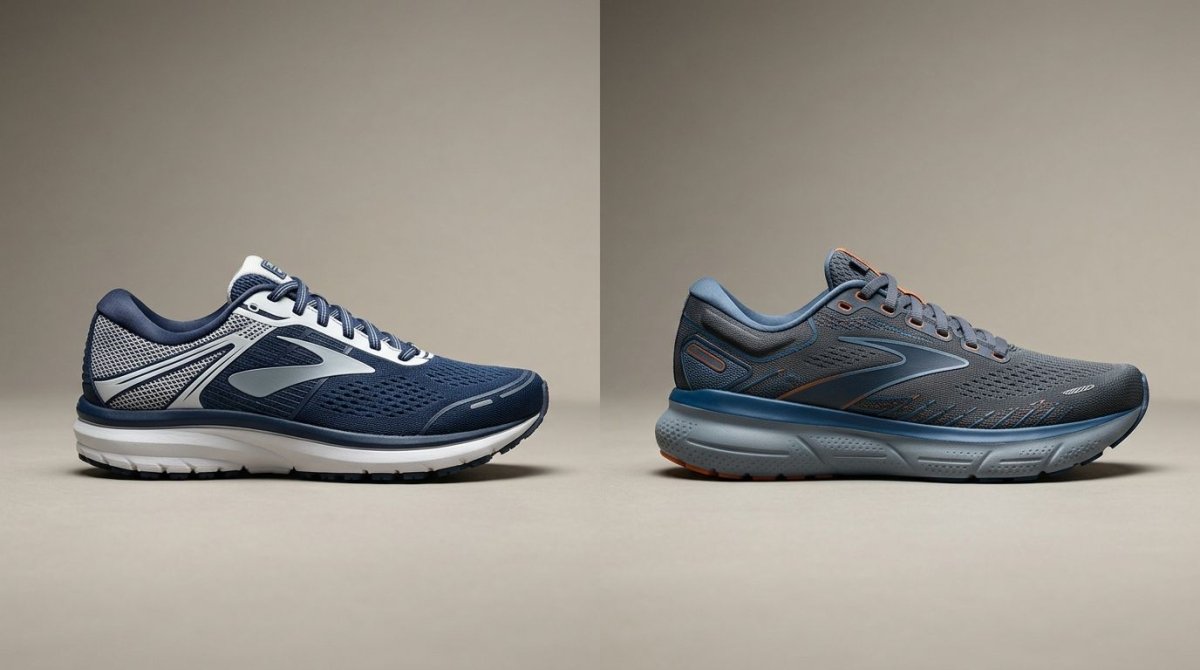
Choose the Brooks Ghost for balanced everyday cushioning at a lower price. Choose the Glycerin if you prefer a plusher ride and are comfortable paying more for it.
The Brooks Ghost vs Glycerin decision comes down to underfoot feel and fit, rather than which shoe is universally better. Both are neutral road-running shoes, and either can handle regular training.
For a model-specific comparison, here's how the Ghost 18 and Glycerin 23 differ, and how those differences affect your choice.
Key Takeaways
- The Ghost 18 is the value-focused choice for runners who want balanced cushioning for daily miles and walking.
- The Glycerin 23 adds DNA TUNED cushioning and a plush feel, with a modest weight increase.
- Fit should settle a close decision. Extra softness doesn't compensate for heel movement, cramped toes, or pressure across your midfoot.
Neither model automatically suits every beginner, long-distance runner, or foot shape. Start with your preferred feel, then judge how securely and comfortably each shoe holds your foot.
Brooks Ghost vs Glycerin: The Specs That Matter
These specifications compare the standard neutral models, not their GTS or Max relatives.
| Feature | Ghost 18 | Glycerin 23 |
|---|---|---|
| Our listed women's price | $149.95 | $174.95 |
| Cushioning emphasis | Soft, balanced, and dynamic | Plush DNA TUNED cushioning |
| Heel-to-toe drop | 10 mm | 8 mm |
| Listed men's weight | 10.2 oz / 289.2 g | 10.6 oz / 300.5 g |
| Listed women's weight | 9.2 oz / 260.8 g | 9.5 oz / 269.3 g |
| Upper | Engineered air mesh | Breathable stretch knit |
| Support category | Neutral | Neutral |
The clearest differences are cushioning, drop, and price. Weight separates them by only 0.4 ounces in the men's specifications and 0.3 ounces in the women's.
Listed weights are reference figures, not measurements for every size. Your pair's weight will vary with size.
Also, drop isn't total cushioning thickness. It describes the difference between heel and forefoot height. The Glycerin's lower drop doesn't mean it has less cushioning than the Ghost.
Avoid choosing on one number alone. A shoe with appealing specifications can still feel wrong beneath your heel or across your toes.
How the Cushioning Changes Your Run
Both shoes cushion pavement miles, but they emphasize different sensations.
Ghost 18: Balanced cushioning for everyday use
The Ghost 18 combines soft cushioning with a dynamic feel. Brooks also describes a secure heel and dynamic forefoot, aimed at a steady transition through each step.
That makes it a sensible starting point if you want one shoe for regular runs and walking. Its appeal is a balanced ride without the Glycerin's stronger emphasis on plushness.
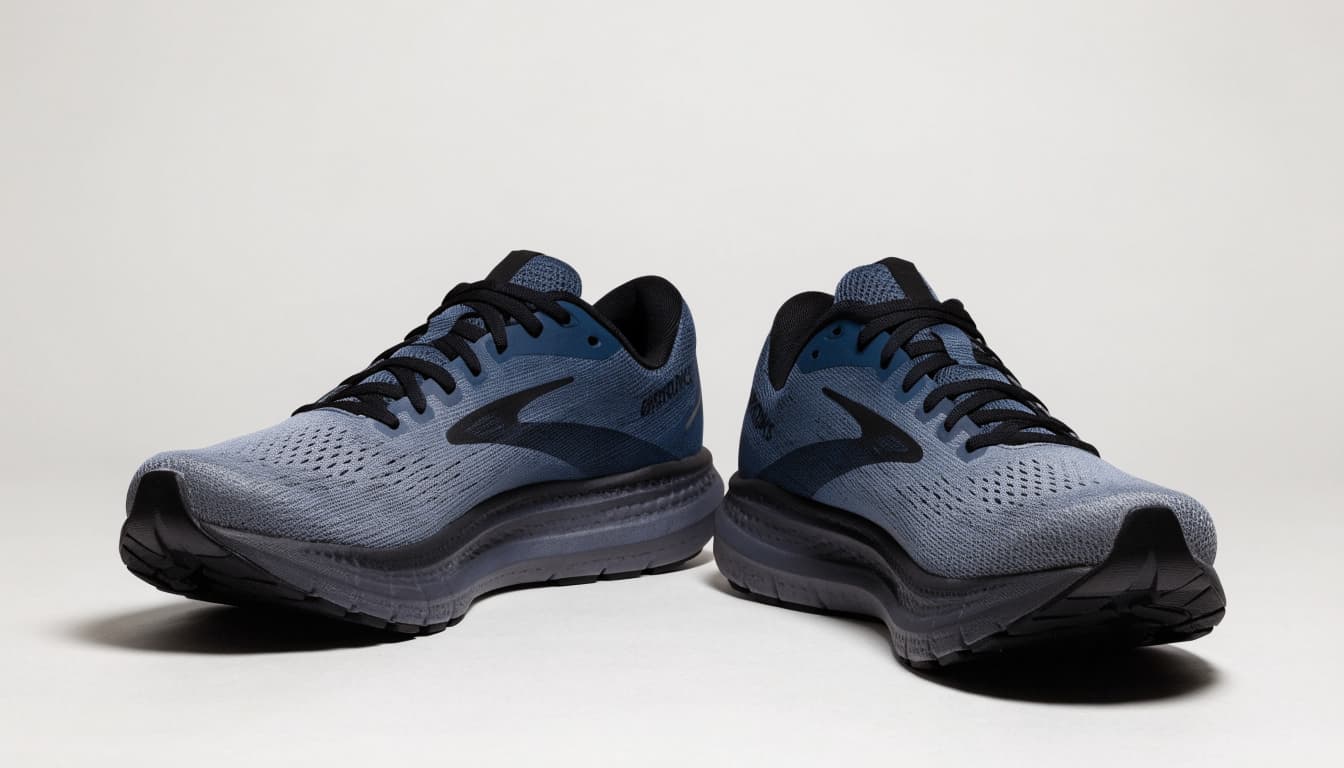
During a try-on, pay attention to the whole step. Your heel should settle comfortably, and your forefoot should move naturally as you push off.
Glycerin 23: Plush cushioning with tuned zones
The Glycerin 23 uses DNA TUNED, Brooks' dual-cell cushioning technology. Its zonal design combines cushioned landings with responsive toe-offs.
Brooks also describes a wide platform for stable, smooth transitions. This matters because softness alone doesn't tell you how controlled a shoe will feel beneath your foot.
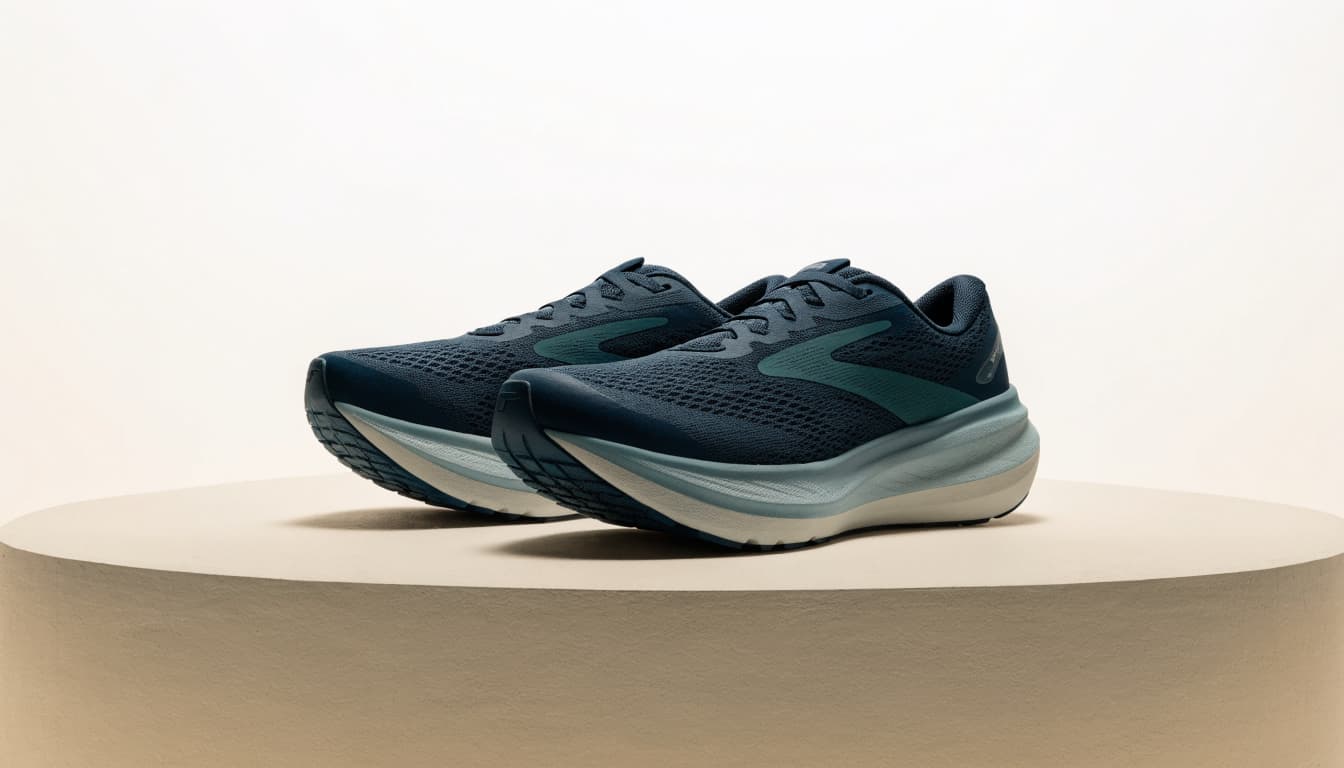
Choose this direction if you enjoy a more padded sensation during easy runs. However, give yourself several steps to assess it. The softest first impression isn't always the most comfortable feel once you're moving.
Fit, Upper Comfort, and Heel-to-Toe Drop
Small fit differences can matter more than the cushioning upgrade.
Look for secure hold without pressure
The Ghost 18 has a breathable engineered air-mesh upper and a flat-knit tongue. The Glycerin 23 uses a soft, breathable stretch-knit upper with an accommodating fit.
Those descriptions indicate different constructions, not a guarantee that either shoe fits every foot. A stretchy upper can still press against a high instep. Likewise, a secure fit shouldn't require overtightened laces.
Wear your usual running socks when comparing them. Leave room ahead of your longest toe, and make sure your toes can move without pressing against the sides.
Your heel should stay seated without rubbing. If one shoe needs constant lace adjustments to feel comfortable, favor the better-fitting option.
Understand the 10 mm versus 8 mm difference
The Ghost 18 has a 10 mm drop, while the Glycerin 23 has an 8 mm drop. That 2 mm difference changes their geometry, although cushioning and fit also affect how they feel.
Neither number dictates how you must land. A higher drop doesn't require heel striking, and a lower drop doesn't automatically improve running form.
If you're replacing a comfortable shoe, consider its geometry alongside its fit. When changing models, introduce the new pair gradually rather than immediately assigning it your longest run.
Persistent pain deserves an assessment from a qualified healthcare professional, not another round of shoe comparisons.
Which Shoe Matches Your Running Routine?
Your pace doesn't automatically determine the right choice. Both models belong in the everyday road-running category.
Choose the Ghost for a versatile daily shoe
The Ghost 18 makes sense when you want balanced cushioning for a regular schedule. It's also the more economical option if you split your time between running and walking.
Beginners don't need to move up to the Glycerin because it costs more. A comfortable Ghost can support a consistent routine without requiring the premium cushioning choice.
It can also suit longer runs if its feel remains comfortable for you. There's no mileage threshold that automatically makes the Glycerin necessary.
If you already enjoy a balanced ride, the Ghost is the logical first shoe to try.
Choose the Glycerin when plushness is your priority
The Glycerin 23 deserves the first try-on when you prefer generous cushioning during relaxed miles. Its DNA TUNED midsole is the main reason to spend more.
It can also make sense in a shoe rotation alongside a lighter, faster-training option. In that setup, the Glycerin handles the days when comfort takes priority over a lower weight.
However, don't treat its cushioning as a promise of faster recovery or injury prevention. Those outcomes depend on more than footwear.
A comfortable Ghost can handle long runs. A plush Glycerin doesn't require high mileage to justify buying it.
What the $25 Price Difference Buys
Our women's Ghost 18 running shoes are listed at $149.95. Our women's Glycerin 23 running shoes are listed at $174.95.
The extra $25 buys a different cushioning system and upper construction. It doesn't buy a guaranteed better fit, faster pace, or longer service life.
If both fit equally well, decide whether the Glycerin's plushness improves your comfort enough to justify the difference. If you prefer the Ghost's feel, spending less is a straightforward choice.
Budget also includes the rest of your running setup. Don't sacrifice comfortable socks or a suitable fit to reach the more expensive model.
We ship to all 50 states, with free shipping on orders of $98 or more. Both listed pairs exceed that threshold.
Neutral, GTS, and Max Are Different Choices
This comparison covers the standard Ghost 18 and Glycerin 23. Similar names don't make every shoe in either family interchangeable.
The Glycerin GTS 23 is a separate support model with Brooks' GuideRails system. The standard Glycerin 23 doesn't include that same support setup.
Glycerin Max 2 and Glycerin Flex are also separate models. Don't apply the standard Glycerin 23's drop, weight, or construction details to them. Likewise, Ghost Max belongs in a separate comparison.
A neutral shoe can still feel steady because of its platform and fit. That doesn't make it equivalent to a dedicated support model.
If a clinician has recommended a particular support approach, use that guidance when narrowing your options. Choosing between two neutral shoes shouldn't override an existing treatment plan.
Frequently Asked Questions
Is the Glycerin better than the Ghost for beginners?
Neither has an automatic advantage for beginners. The Ghost offers balanced cushioning at a lower price, while the Glycerin emphasizes plushness. Choose the pair that holds your foot comfortably and feels natural while moving. Starting out doesn't require buying the more expensive shoe.
Which is better for walking or standing?
Both are reasonable candidates for walking. The Ghost emphasizes balanced cushioning, while the Glycerin offers a plusher underfoot feel. For standing, assess whether you feel comfortably centered over the platform. Don't assume the softer shoe will remain more comfortable throughout a full day.
Does the Glycerin provide more arch support?
Extra cushioning doesn't automatically mean more arch support. Both standard models are neutral shoes. The Glycerin's plush midsole and wide platform differ from the GuideRails support system in the GTS version. Judge arch comfort by fit rather than price or cushioning level.
Should I buy the same size in both?
Use your current running-shoe size as a starting point, not a guarantee. Different uppers and shapes can change the fit. Compare them with the same socks, and assess both feet. Toe pressure, heel slipping, or midfoot discomfort matters more than the size printed inside.
Choose the Shoe That Feels Right in Motion
The Ghost 18 is the stronger value choice when you want balanced everyday cushioning. The Glycerin 23 earns its premium when you prefer its plusher feel and accommodating upper.
Let fit and moving comfort settle the decision. Choose the shoe that feels secure and natural through your stride, rather than buying more cushioning because it costs more.


