

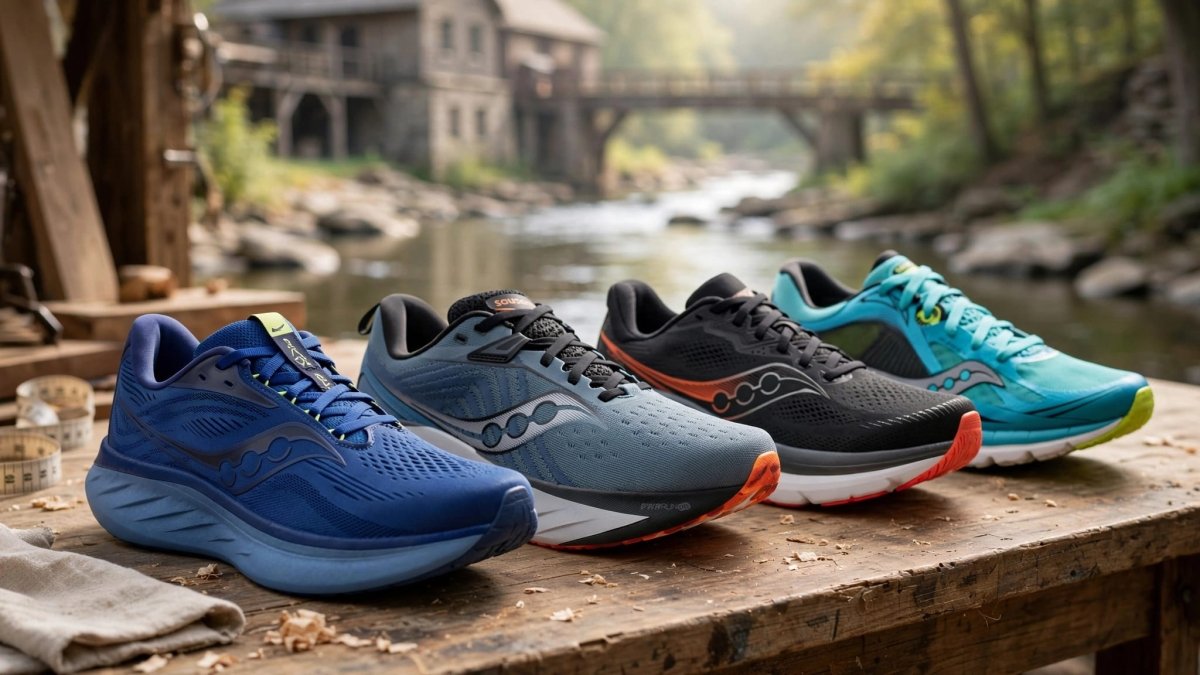
A running shoe's comfort depends on more than a soft midsole. The Saucony footwear history shows how a small Pennsylvania manufacturer became a specialist in shoes built for repeated miles, steady training, and everyday movement.
That history also helps explain today's lineup. Ride, Triumph, Guide, and Kinvara each offer a different balance of cushioning, support, weight, and underfoot feel. Understanding those differences makes it easier to choose a shoe that fits your routine instead of shopping by appearance alone.
Saucony's Pennsylvania beginnings
1898: A factory beside Saucony Creek
Saucony began in 1898 in Kutztown, Pennsylvania. The original factory stood beside Saucony Creek, which later gave the company its name.
The brand's early identity came from its location and its focus on footwear construction. Saucony eventually became known for running shoes, but its connection to the creek remains part of the company's official history.
That long timeline matters to shoppers because Saucony has had more than a century to refine the details that affect daily comfort. Fit, cushioning, flexibility, and stability remain central to its running footwear.
What the name and logo represent
Saucony says its name and logo come from Saucony Creek. The logo's three boulders represent good performance, good health, and good community.
Those ideas fit the way many people use running shoes today. A daily trainer may support a morning run, a long walk, a commute, or a full day on your feet. It needs to feel dependable across ordinary activities, not only during race training.
The brand's history also gives its models a clear point of reference. Saucony footwear history is closely tied to practical running performance, which is why the company still organizes much of its range around training needs.
From a local factory to a running specialist
Ownership changes shaped the brand
Saucony was acquired by Hyde Athletic Industries in 1968. In 1998, the company became Saucony Inc.
Stride Rite Corporation acquired Saucony in 2005 for $170 million. Seven years later, Wolverine World Wide acquired the Performance Lifestyle Group, which included Saucony, in a transaction valued at $1.23 billion.
These changes moved the company through several larger footwear organizations, but Saucony retained its identity as a running-focused brand. Its product families continued to center on shoes for daily miles, speedwork, stability, and higher-cushion training.
The move to Waltham
In 2016, Wolverine relocated Saucony and other Boston-area brands to Waltham, Massachusetts. Saucony's official materials now describe the company as a Boston-area running brand with an international presence.
The location is part of the modern story, but the product purpose remains familiar. Saucony continues to build shoes for runners who want a predictable fit and a clear ride underfoot.
For shoppers, that means the brand's history is useful when paired with current model information. A century-old company can still offer very different experiences across its present lineup, so the model matters more than the logo alone.
What Saucony footwear history tells you about daily comfort
Cushioning is a matter of feel, not only softness
A highly cushioned shoe can feel protective, but comfort also depends on how the foam responds as you move. Some runners prefer a plush landing, while others want a firmer and more direct connection with the ground.
The Ride family is positioned as a daily trainer with plush cushioning and a fluid ride. Triumph is the neutral cushioned option for runners who want a more substantial underfoot experience. Kinvara takes a lighter, less bulky approach.
Independent measurements help show the difference between model generations. RunRepeat measured the Ride 18 at about 38.7 millimeters in the heel and 30.2 millimeters in the forefoot. Its reported $140 price applied to that model generation, not automatically to the current Ride 19.
The Triumph 23 was measured at about 42.3 millimeters in the heel and 32.3 millimeters in the forefoot. That higher platform helps explain why it feels more protective, although the current official buyer's guide identifies the Triumph 24 as the newer model.
Stability should feel controlled, not restrictive
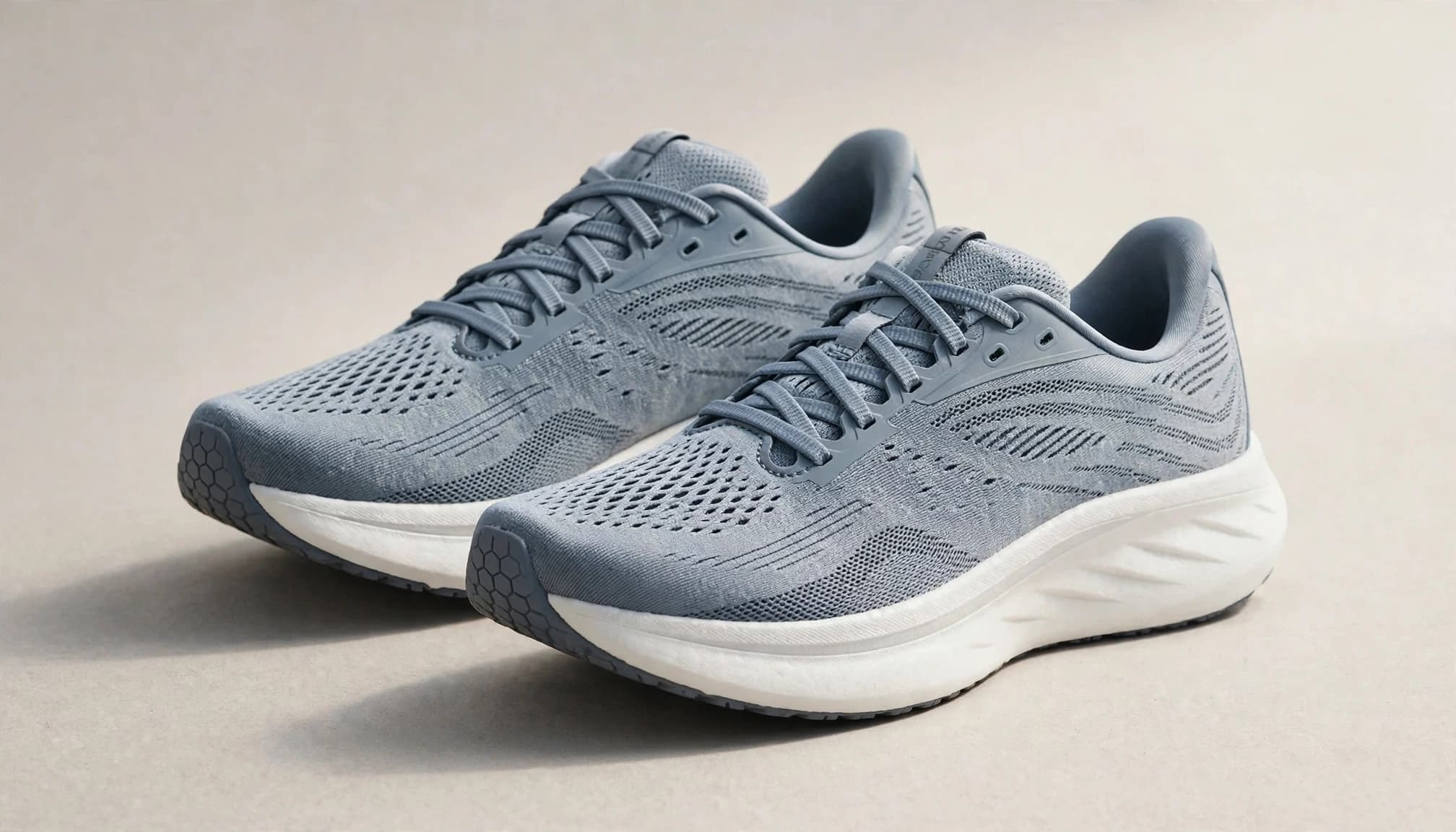
Neutral shoes allow the foot to move without added guidance features. Stability shoes use geometry, platform width, or other construction details to create a more controlled sensation.
The Guide family is designed for runners who prefer that controlled feel. Coverage of the Guide 19 describes a broad platform, softer PWRRUN foam, and mild guidance. That is different from an aggressive corrective shoe, so the model may suit runners who want extra steadiness without a rigid experience.
Your walking pattern matters as much as the label. If a neutral shoe feels unstable late in a run, a broad-based model may feel more secure. If support shoes feel intrusive, a neutral Ride or Triumph may be a better match.
The current Saucony daily-running lineup
Saucony's official running pages group Hurricane, Kinvara, Guide, and Ride as active running-shoe families. Each has a different role, so comparing the categories is more useful than choosing only by price or color.
Ride for balanced everyday training
The Ride is the most straightforward choice for shoppers who want one versatile running shoe. Saucony describes the current Ride 19 as a daily trainer with plush cushioning and a fluid ride.
It fits runners who want a neutral platform for regular road miles, walking, and general athletic use. The shoe is substantial enough for daily training without reaching the larger feel associated with maximum-cushion models.
The official men's running page lists the Ride 19 at $145. Prices can change by color, size, promotion, and season, so treat that figure as a listed example rather than a permanent price.
Triumph for a plusher ride
Triumph is the stronger choice for runners who prioritize cushioning and a more protective feel. Saucony's buyer's guide identifies the Triumph 24 as a current model and describes the family as a neutral cushioned daily trainer.
The older Triumph 23 helps illustrate the category's geometry, with independent measurements showing a taller stack than the Ride 18. That does not make it automatically better. A higher shoe can feel comfortable on longer easy runs, but some runners prefer the quicker, less elevated sensation of a lighter trainer.
The men's page has shown the Triumph 23 at $91.95 on sale, with a listed regular price of $170. Because those figures concern an earlier generation, check the exact model before comparing prices.
Guide for mild support
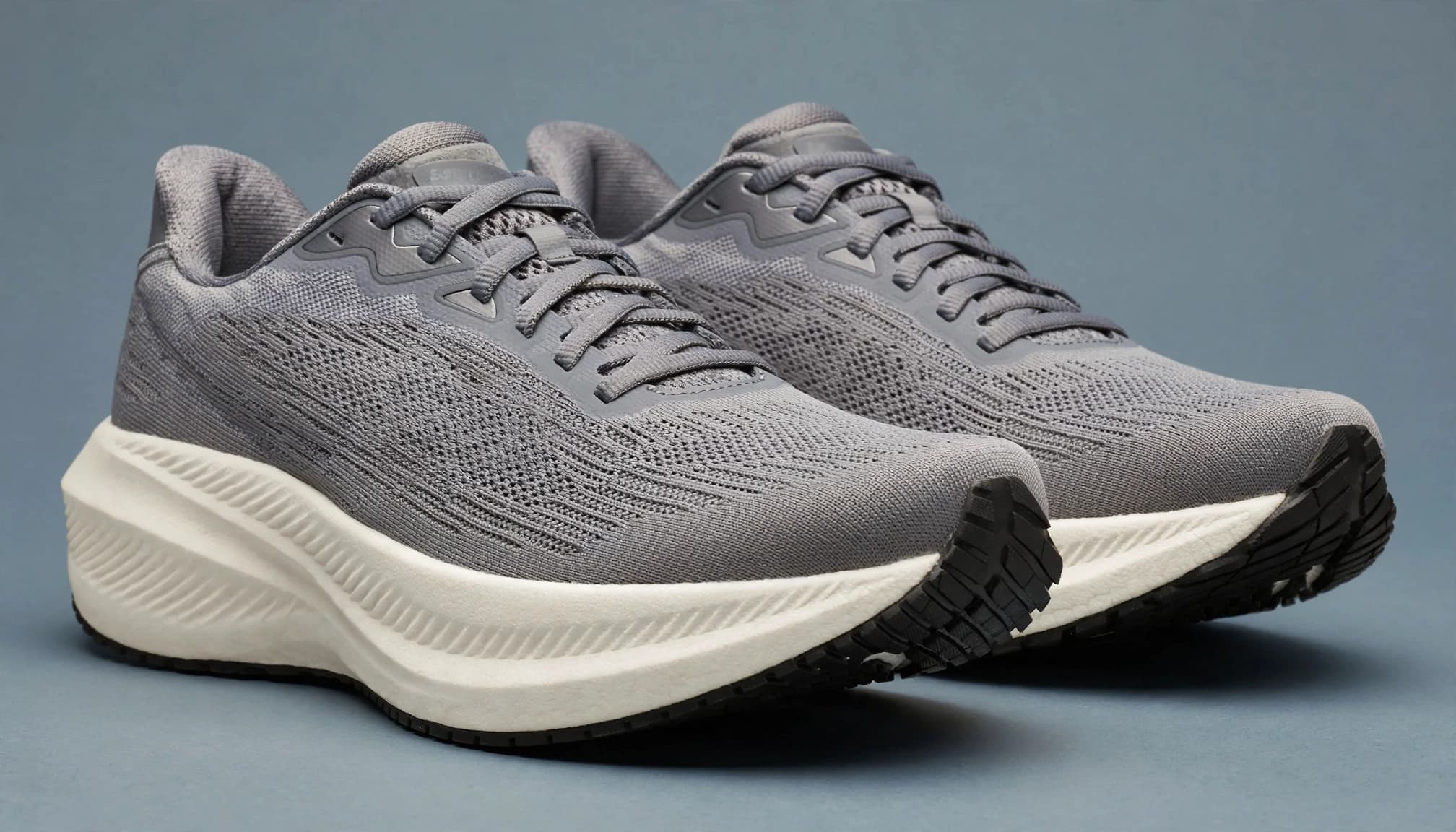
Guide is built for runners who want a stable daily trainer. The Guide 19 has been listed at $170 in independent coverage, with a wide platform and mild guidance.
That combination can suit people who spend long hours walking or who notice their form becoming less controlled as they tire. It can also work for runners who prefer a planted feel during easy miles.
Guide is not the right answer for everyone with foot discomfort. A shoe should feel supportive without creating pressure at the arch, heel, or forefoot. If possible, try it on with the socks you normally wear and walk for several minutes before deciding.
Kinvara for a lighter option
Kinvara is the lighter and less bulky member of the group. Saucony's buyer's guide describes the Kinvara 16 as lightweight with a minimal design.
This makes it appealing to runners who dislike a heavy shoe or want a more flexible, less substantial ride. It may also work well for shorter runs, gym sessions, and everyday athletic wear.
The men's running page lists the Kinvara 16 at $130. Its lighter construction does not mean it will suit every runner. People who prefer maximum cushioning or a strongly planted platform may feel more comfortable in Triumph, Ride, or Guide.
Families shopping for younger runners can also view these Saucony Kids Ride running shoes, which use a breathable mesh upper, lightweight chassis, and wider base for everyday activity.
How to choose the right Saucony model
Compare the main differences
This quick comparison shows how the core families are positioned.
| Family | Underfoot feel | Support profile | Best starting point |
|---|---|---|---|
| Ride | Balanced and cushioned | Neutral | Everyday road miles and walking |
| Triumph | Plush and protective | Neutral | Longer easy runs and maximum comfort |
| Guide | Stable and controlled | Mild guidance | Runners who prefer a broad platform |
| Kinvara | Light and less bulky | Neutral | Shorter runs and a flexible feel |
The Ride is the safest starting point when you want one general-purpose shoe. Triumph makes more sense when cushioning is your first priority. Guide suits runners who want mild support, while Kinvara favors low weight and a less substantial feel.
Match the shoe to your routine
Consider how you will use the shoe before focusing on technical specifications. Someone running three relaxed miles several times a week may prefer the balanced Ride. Someone walking all day or logging longer easy runs may appreciate the extra cushioning of Triumph.
Your preferred feel matters, too. A wider and taller platform can feel secure, but it may seem cumbersome if you favor nimble shoes. Meanwhile, a lightweight model can feel lively while offering less of the protective sensation some runners want.
Fit should settle the decision. Leave enough room for your toes to spread, check that your heel stays in place, and look for even pressure across the upper. Running shoes should feel comfortable when you first put them on, with no painful spot that you hope will disappear after break-in.
Key Takeaways
- Saucony began in Kutztown, Pennsylvania, in 1898 beside Saucony Creek.
- Its modern running lineup separates neutral cushioning, mild support, and lightweight construction.
- Ride is the balanced daily trainer, while Triumph offers a plusher neutral experience.
- Guide provides a stable platform with mild guidance rather than aggressive correction.
- Kinvara is the lighter option for runners who prefer less bulk.
- Model generations matter because measurements and prices can change between versions.
- Fit, intended mileage, and preferred underfoot feel should guide the final choice.
FAQ about Saucony running shoes
Is Saucony a good brand for daily running?
Saucony has focused on running footwear for more than a century, beginning with its 1898 founding in Pennsylvania. Its current lineup includes shoes for neutral daily training, higher cushioning, mild support, and lighter running.
The best model depends on your fit and preferred ride. Brand history alone cannot tell you whether a particular shoe will work for your feet.
Which Saucony shoe has the most cushioning?
Triumph is the main choice for runners seeking a plush neutral experience. The Triumph 23 had a taller measured platform than the Ride 18, while Saucony's current buyer's guide lists the Triumph 24 as the newer generation.
Cushioning preference is personal. Some runners enjoy a protective, substantial shoe, while others prefer a lower and more responsive feel.
Is the Saucony Guide a motion-control shoe?
Guide is better described as a stability shoe with mild guidance. Coverage of the Guide 19 highlights its broad platform and controlled feel rather than aggressive correction.
If you need medical support for a foot or gait issue, consult a qualified professional. For general running comfort, try the shoe and assess whether its guidance feels natural.
Should I choose Ride or Kinvara?
Choose Ride if you want a more traditional daily trainer with plush cushioning. Choose Kinvara if you prefer a lighter, less bulky shoe for shorter runs, workouts, or everyday athletic use.
The right choice also depends on your current shoes. A runner moving from a highly cushioned model may find Kinvara noticeably more direct underfoot.
Conclusion
Saucony footwear history begins with a small factory beside Saucony Creek, but the brand's current value comes from how clearly its models serve different runners. Ride balances everyday comfort, Triumph adds more cushioning, Guide offers mild support, and Kinvara keeps the experience light.
Start with your preferred feel and daily routine, then check the fit carefully. The most comfortable running shoe is the one that gives your feet the right amount of cushioning and control without asking you to adjust your stride.


