

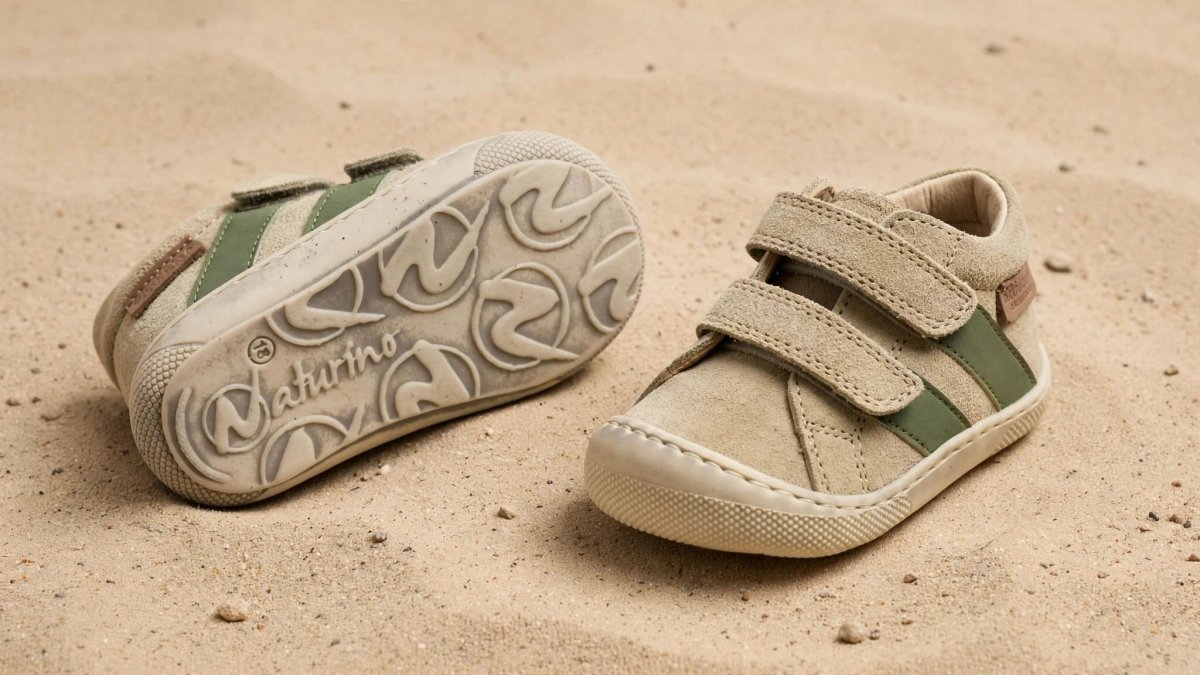
A child's shoe sole affects how the foot meets the ground, but the phrase "Sand Effect" doesn't describe a literal layer of beach sand. Naturino uses the name for a support system designed to evoke the feel of walking on soft sand.
The Naturino Sand Effect sole is intended to mould under a child's body weight and support walking over uneven ground. Here's what that design goal means for shoppers, and how it differs from claims about a shoe's fit or medical benefits.
Key Takeaways
- Naturino describes Sand Effect as soft support inspired by the sensation of walking on sea sand.
- The brand says the system moulds under body weight and supports walking on rough or irregular surfaces.
- Naturino doesn't publish a single construction description that applies to every shoe with Sand Effect.
- Features such as removable insoles and shock-absorbing inserts belong to certain Naturino lines, not automatically to all Sand Effect shoes.
- The system describes a design intention, not a guarantee of a particular developmental or medical outcome.
What Naturino's Sand Effect Is Designed to Do
Naturino presents Sand Effect as a way to give a child's foot soft, responsive support. The brand's central comparison is walking on sea sand, where the ground yields beneath the body's weight rather than feeling completely firm.
That description is about the intended sensation and support. It doesn't mean a child is walking on sand inside the shoe, or that the sole needs to imitate a beach surface exactly.
The brand's stated purpose
Naturino says the system moulds under body weight and supports walking on rough or irregular ground. In practical terms, this positions Sand Effect as a sole design meant to respond to pressure while a child walks, rather than as a decorative feature or a name for the shoe's upper.
The design goal matters most when comparing a shoe's intended underfoot feel with a firmer, less yielding sole. Still, the brand's explanation doesn't give a measured softness rating or a standard that lets shoppers compare every model directly.
Why the sand comparison is useful
The sea-sand image gives shoppers a simple way to understand Naturino's intention: a supportive feel that yields under pressure. It can help distinguish the idea from a hard, rigid base, although the comparison alone can't tell you how a specific shoe feels on a child's foot.
How the Sole Is Intended to Feel Underfoot
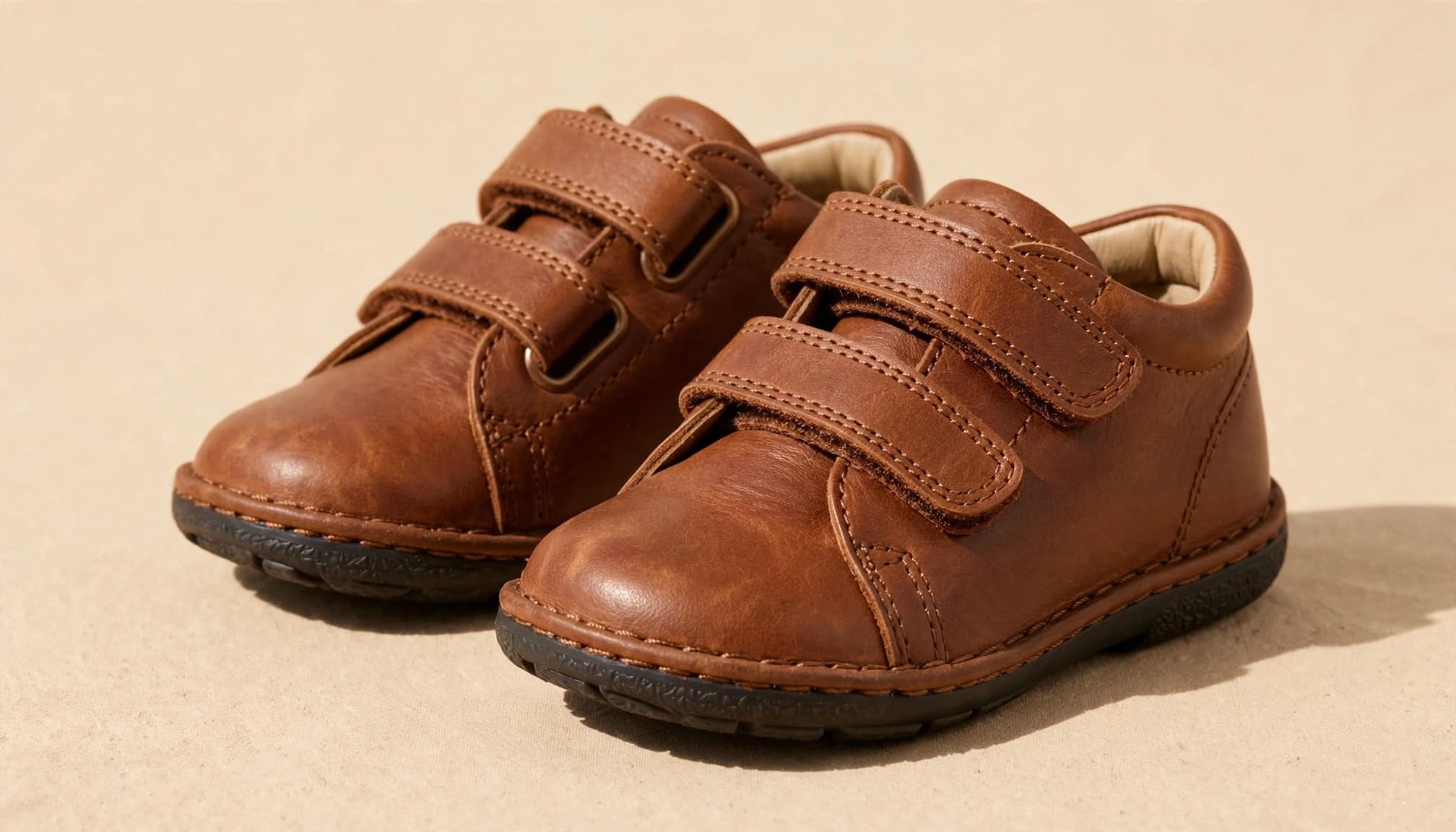
The useful question for a shopper is what the design intention means during everyday walking. Naturino's description points to two ideas: the sole responds to the child's weight, and the shoe is intended to support steps on uneven surfaces.
Those are broad goals, not a promise that every child will feel the same difference. A shoe's overall feel also depends on its fit, upper, closure, and the particular model's construction.
Support as the foot bears weight
Naturino says Sand Effect moulds under body weight. That wording suggests a sole designed to yield in response to pressure, but the published explanation doesn't specify the materials, dimensions, or internal layers involved.
For parents, the distinction is useful: the phrase describes the brand's intended support experience, not an exact technical specification. If you compare two Naturino shoes, the Sand Effect name alone won't tell you whether their soles have identical flexibility or cushioning.
Walking over irregular ground
Naturino also associates Sand Effect with support on rough or irregular ground. That can be relevant when a child moves between smooth indoor floors and ordinary outdoor paths. However, it shouldn't be read as a claim that every model is built for hiking, slippery conditions, or a particular terrain.
The shoe still needs to suit the child's activities. The sole's stated purpose is one consideration alongside grip, coverage, fit, and the type of upper.
What Sand Effect Doesn't Tell You
Sand Effect is a named support system, but the phrase doesn't provide a full technical spec sheet. Naturino's published explanation doesn't describe a universal sole material, thickness, manufacturing method, or layer-by-layer construction for all shoes bearing the name.
That matters because shoppers may see the term and assume every model feels or performs alike. Product lines can have other distinct features, and those details shouldn't be attributed to Sand Effect unless Naturino connects them to the specific line or shoe.
The system also shouldn't be taken as a medical claim. Naturino's description explains what the brand intends the sole to do, but it doesn't provide independent clinical evidence, comparative test results, or quantified impact-absorption measurements. The brand's design rationale isn't the same as a guarantee of healthy development or a treatment for foot concerns.
For a child with persistent pain, walking difficulties, or a specific foot condition, shoe marketing terms can't replace an assessment from a qualified health professional.
How Sand Effect Relates to Naturino's Other Features
Naturino sells shoes across several lines, and some descriptions place Sand Effect alongside other construction features. Those features may contribute to the experience of an individual shoe, but they aren't all synonyms for Sand Effect.
First Steps, Sport, and Rainstep
Naturino describes its First Steps line for children aged 0 to 3 years. The line is associated with Sand Effect, flexible bottoms, shock-absorbing inserts, soft uppers, ankle support, and non-slip bottoms. These are line-level descriptions, not a Sand Effect age limit or proof that every shoe has the same combination.
Naturino Sport is also described with flexible bottoms and shock-absorbing inserts. The Sport line lists removable anatomical antibacterial insoles, but that detail shouldn't be assumed for every Naturino shoe.
For Rainstep, Naturino describes a flexible bottom and shock-absorbing insert alongside Sand Effect. This is specific to Rainstep's published description, not a universal specification for other Sand Effect models.
Read each feature as its own detail
When shopping, separate the name of the support system from the rest of the shoe's features. A flexible bottom, an antibacterial insole, and a non-slip outsole each describe something different. Their presence depends on the shoe or line, rather than following automatically from the Sand Effect label.
This distinction makes product comparisons clearer. Instead of treating Sand Effect as shorthand for every comfort feature, consider it one part of the shoe's stated design.
What to Consider When Choosing a Pair
A design feature matters only if the shoe suits the child's foot and use. Start with the fit: the toes should have room to move, the heel should feel secure, and the closure should hold the shoe comfortably without pinching.
Then consider where and how the child will wear it. A lightweight first-walker shoe and a weather-oriented model address different needs, even if their product descriptions share Sand Effect language. The upper, coverage, tread, and closure can shape daily comfort just as much as the underfoot system.
Separate fit from the sole's design
Sand Effect doesn't tell you whether a particular size or width will fit your child. Check how the shoe sits on both feet, including whether the toes have space and the heel stays in place as the child walks. If the child resists wearing the shoe or shows signs of rubbing, reassess the fit rather than assuming the sole system will resolve the problem.
For children who are still learning to walk, a stable fit is especially important. A supportive sole cannot compensate for a shoe that's too long, too short, or too loose.
Match the shoe to everyday use
Think about the child's routine before choosing a model. Indoor wear, playground time, and wet-weather use can call for different coverage or tread. Naturino's lines offer different combinations of features, so the specific product description is more helpful than the Sand Effect name alone.
In short, use the system name to understand Naturino's intended underfoot feel, then judge the shoe as a whole. The best choice is the pair that fits properly and suits the child's regular activities.
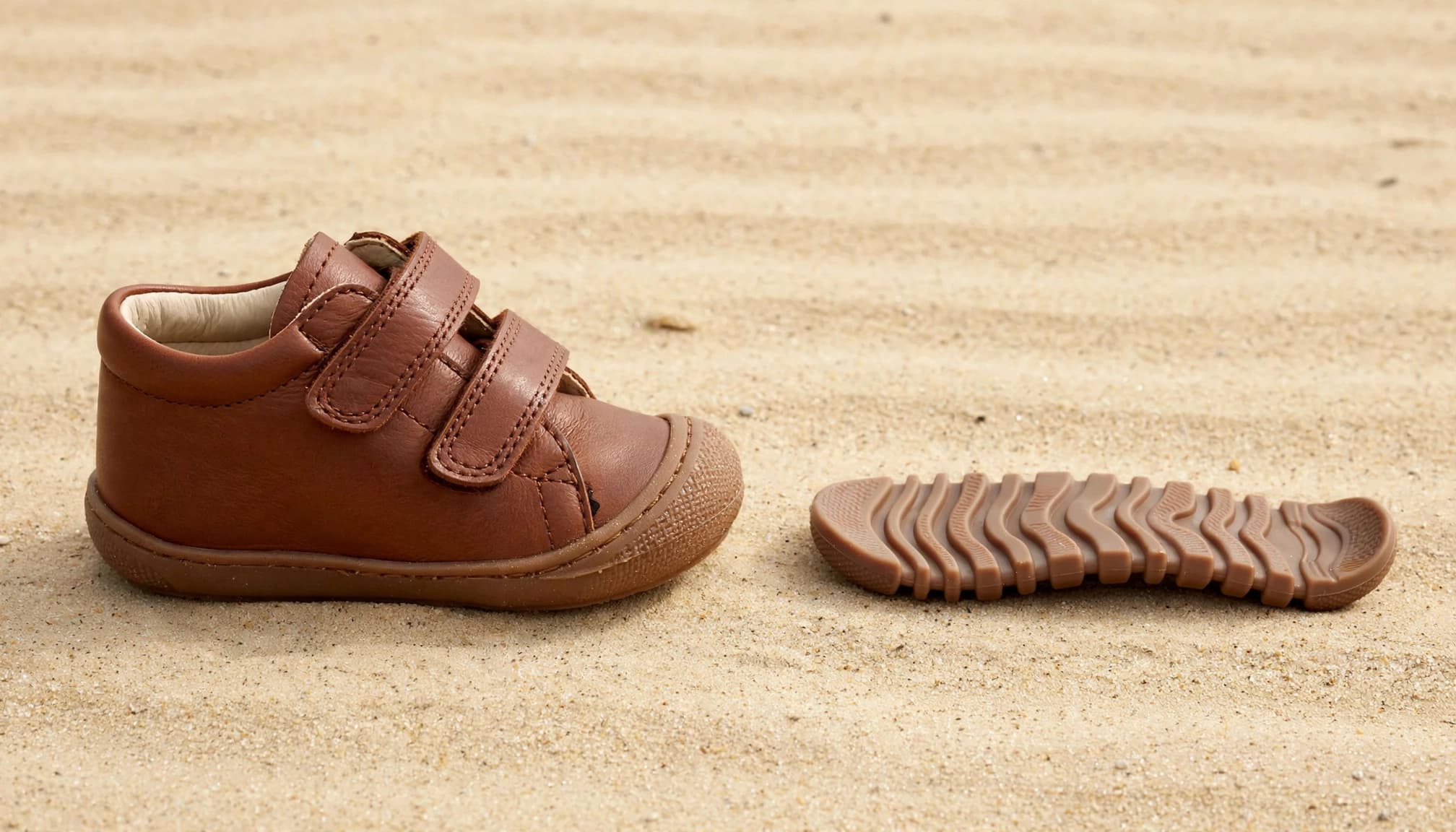
A Naturino Cocoon VL Product Example
Our Naturino Toddlers Cocoon VL Cuoio Brown listing gives shoppers a concrete Naturino toddler shoe to consider. Its listed price is $79.95.
A product example helps put the discussion in a shopping context, but the Sand Effect name shouldn't be assumed for a particular model unless its description identifies the system. Likewise, the design goals of Sand Effect don't tell you the full construction or fit of an individual Cocoon VL shoe.
When comparing this or another pair, focus on the details supplied for that specific shoe, then assess its fit and intended use. That keeps the general idea behind Naturino's support system separate from what a particular model offers.
Frequently Asked Questions
Does Sand Effect mean the sole contains sand?
No. Naturino uses the name for a support system intended to recreate the sensation of walking on sea sand. Its description doesn't say that the shoe contains actual sand.
Is Sand Effect found in every Naturino shoe?
No. The name applies to models or lines that Naturino identifies with the system. Other Naturino shoes may have different features and constructions.
Does Sand Effect guarantee better foot development?
No such guarantee is established by the published description. Naturino explains its design intention, but doesn't provide independent clinical evidence or quantified outcomes that prove a developmental result.
Is Sand Effect only for toddlers?
Naturino's First Steps line is described for children aged 0 to 3, but that age range belongs to the line, not to the Sand Effect system itself. The system's stated purpose doesn't establish a specific age limit.
Conclusion
Naturino's Sand Effect is designed to give a child soft support inspired by the feel of walking on sand. The brand says it moulds under body weight and supports walking on irregular ground, while other features vary by model and line.
For shoppers, the clearest approach is to treat Sand Effect as one part of a shoe's design. Fit, activity, and the specific features of the individual pair still matter most.


