

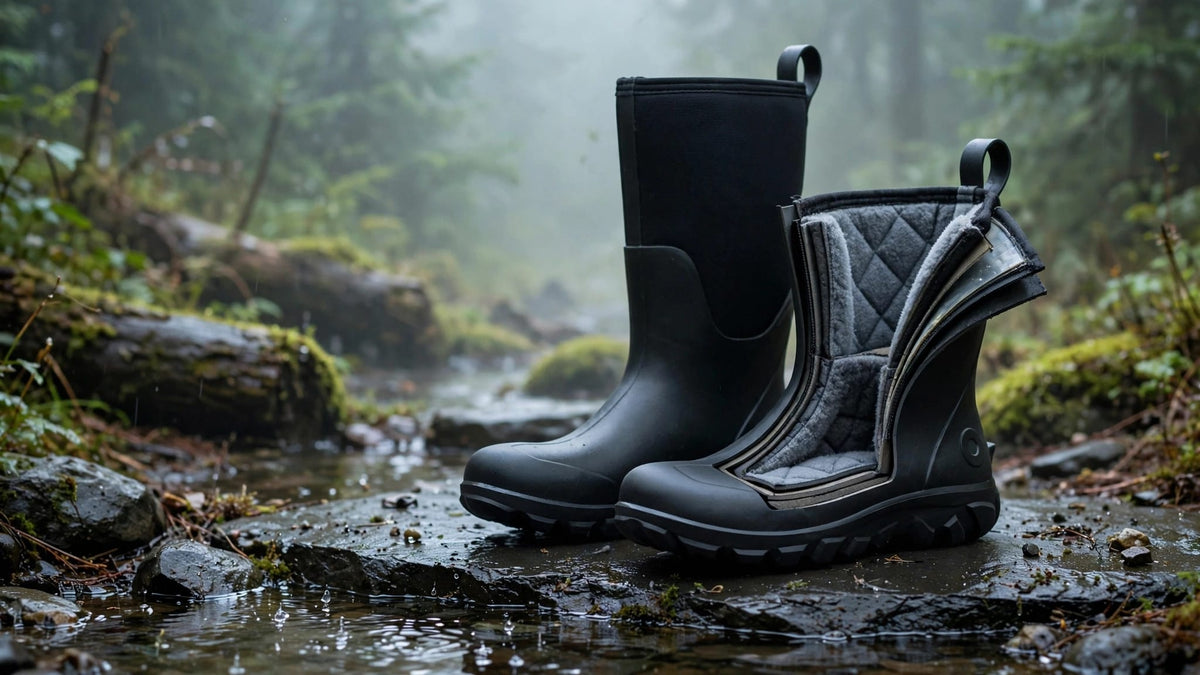
A boot can keep rain out and still leave your feet cold or damp. BOGS boots combine waterproof materials with insulation and moisture-management features, although the exact construction varies by style.
The details matter when you're choosing between a tall winter boot, a rain boot, or a pull-on style. Here's how BOGS builds protection, what its warmth ratings mean, and which features are worth comparing.
Key Takeaways
- BOGS uses Neo-Tech™ neoprene as waterproof insulation, with thickness varying by intended season.
- The Classic High combines 7 mm Neo-Tech, a four-way-stretch inner bootie, and hand-lasted rubber.
- Air Mesh and Max Wick address airflow and sweat inside the boot.
- Temperature ratings are guidelines, not guarantees for every wearer.
- Waterproof construction alone doesn't tell you how warm a boot will feel.
How BOGS boots combine waterproofing and insulation
BOGS describes Neo-Tech as waterproof insulation made from flexible synthetic rubber. It helps block water while adding a thermal layer around the foot and lower leg. Because neoprene can flex, it can provide warmth without the rigid feel of a hard outer shell.
The thickness varies by use. BOGS' general guidance puts winter boots at about 5.5 to 7.5 mm of neoprene, while styles for spring through fall usually use 3 to 5 mm. Those are brand-level ranges, not specifications for every boot.
The insulating layer
A thicker layer can offer more protection in cold conditions, but the boot's fit and your activity matter too. A snug boot may feel restrictive if you plan to wear heavier socks, while extra room can allow cold air to circulate.
The Classic High Mossy Oak Men's Insulated Camo Boot, SKU 60542-973, lists 7 mm of waterproof Neo-Tech and a four-way-stretch inner bootie. That combination puts insulation inside a flexible, tall boot design.
Thickness isn't the whole story
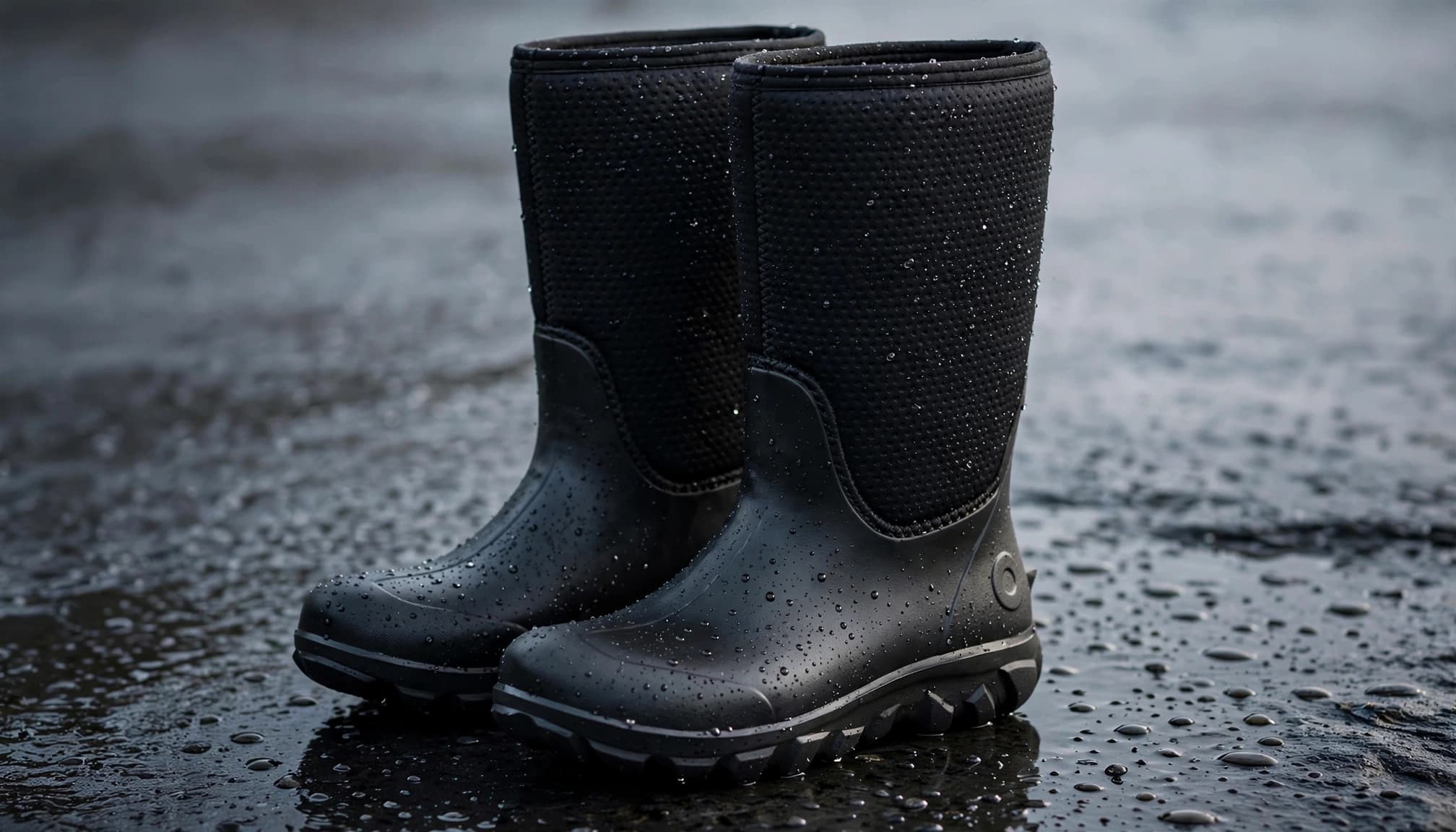
Neoprene thickness is useful when comparing products, but it doesn't describe every part of the boot. The lining, fit, and sole also affect how a boot feels during a cold, wet day. Check the details for the specific style rather than assuming every BOGS boot has the same insulation.
How the shell helps keep water out
Insulation can retain warmth, but the outer materials must also keep moisture from reaching the foot. The Classic High uses durable hand-lasted rubber with waterproof Neo-Tech. BOGS describes this style as 100% waterproof.
That construction is useful in wet weather, slush, or muddy conditions. However, "waterproof" and "warm" describe different qualities. A boot may protect against rain without including the thicker insulation suited to prolonged cold.
Construction differs across styles
BOGS doesn't use one identical build for every boot. The Classic High product details list hand-lasted rubber, while the brand describes seamless, injection-molded shell-and-outsole construction on other models. Those are distinct construction approaches, so don't assume a detail from one style applies to another.
A tall shaft can also provide more coverage than an ankle-height design. For snow or standing water, consider how high the boot comes up your leg and whether its opening fits comfortably around your calf.
Check the whole waterproof design
Water resistance depends on more than the name of a material. For a particular boot, look at the listed upper, lining, sole, and waterproof claim together. The construction details help explain whether the style is designed for rain, cold weather, or both.
What BOGS warmth ratings tell you
BOGS publishes a comfort rating of -40°F/-40°C for the Classic High. The model's listing also gives measurements based on a men's size 10: 15 inches tall, a 17-inch calf circumference, and 4.85 pounds per pair.
Those figures help put the boot's scale and intended coverage in context. The temperature rating, however, is a guideline from the brand, not a promise that every wearer will stay comfortable at that temperature.
Ratings depend on the wearer and conditions
People experience cold differently. Activity level, sock thickness, fit, and time spent standing still all influence warmth. A boot that feels comfortable during active outdoor work may feel cooler during a long wait in the cold.
BOGS' help-center description says it uses instrumented stainless-steel balls inside boots in a freezer to assess temperature performance. The page describes identifying a limit when the balls show more than a 10-degree difference from ambient temperature. That explains the brand's general testing description, but it doesn't establish a model-specific test procedure for the Classic High.
Compare like with like
When evaluating two pairs, compare the listed insulation and intended use as well as the temperature claims. A 7 mm winter boot and a lighter rain boot aren't direct substitutes, even if both are waterproof.
How BOGS manages moisture inside the boot
Water can come from outside, but feet also produce sweat during wear. That's why BOGS pairs waterproof materials with features designed to manage moisture inside the boot.
The Classic High lists Air Mesh lining, a Max Wick coating, a neoprene bootie, and an Aegis antimicrobial odor-protection insole. BOGS says Air Mesh supports airflow and Max Wick helps wick sweat. These features address interior comfort rather than replacing the waterproof shell.
Choose socks that fit the boot
Sock choice affects how a boot feels. A thick sock may add warmth, but it also takes up room. If your toes feel compressed, the boot may feel less comfortable, particularly during longer wear.
For cold-weather use, try the boot with the type of sock you expect to wear. That gives you a better sense of the available space and how the lining feels around your foot.
A waterproof boot can still feel damp inside if sweat has nowhere to go, so interior moisture control matters alongside the outer shell.
Match the BOGS style to the weather
A tall, insulated boot makes sense when you need more leg coverage and cold-weather protection. A lower boot or a rain-focused style may be easier to wear for everyday wet-weather errands, particularly when heavy insulation isn't needed.
The shape also affects how you put the boot on and what you can wear with it. Tall shafts offer more coverage, while pull-on Chelsea styles have a lower profile and elastic side panels.
Compare specific models, not just the brand
For children, our listing for Bogs Neo-Classic kids insulated rain boots states that the boots are waterproof and comfort-rated to -35°F/-37°C. It also lists rebound cushioning, a BioGrip outsole, and Max Wick. The listed price is $99.95.
For a different silhouette, the Bogs men's Sauvie Chelsea II waterproof boots have a waterproof upper, Max Wick, a BLOOM footbed, and a slip-resistant rubber outsole. The product details show why it's important to distinguish waterproof features from insulation specifications.
Consider where the boot will be worn
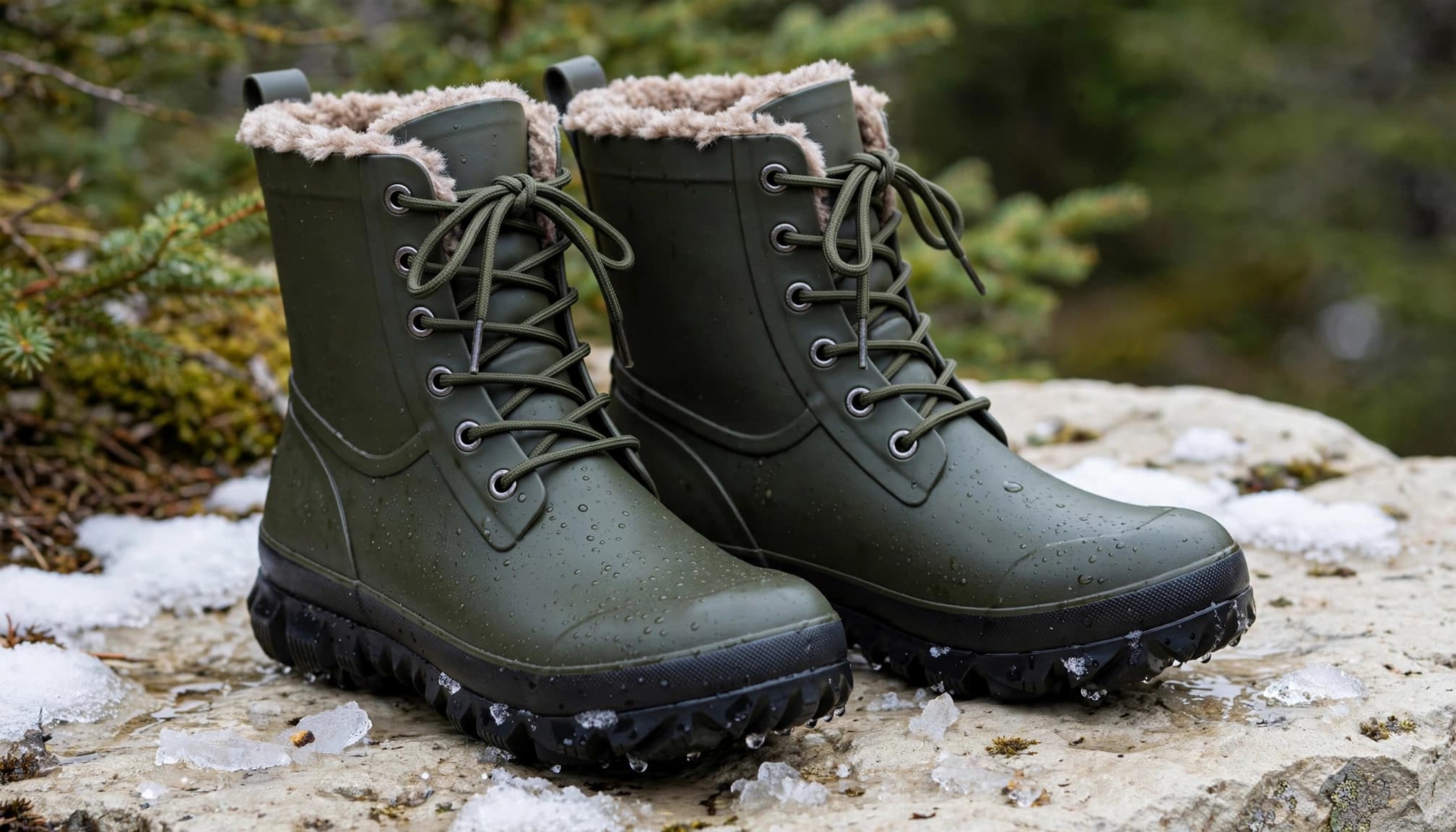
For snow, cold rain, or time outdoors in low temperatures, prioritize insulation thickness, shaft height, and fit. For wet commutes or brief trips outside, a waterproof style with a lower profile may suit your routine better.
Also consider the ground beneath you. Outsole descriptions such as slip-resistant grip can help you compare styles, but they don't mean every surface will provide the same traction.
Fit details that matter before you choose
A warm boot needs room for your toes and the socks you'll wear. At the same time, too much space can affect how securely the boot sits. Pay attention to both foot fit and shaft fit, especially with tall styles.
The Classic High's published 17-inch calf circumference and 15-inch height are based on a men's size 10. Those numbers give a useful reference for that model, but they aren't universal measurements for every size or BOGS boot.
Think about how you'll use the boot, too. If you'll wear it for long stretches, the weight and ease of pulling it on may matter as much as insulation. If it's mainly for wet weather, a lighter waterproof style may be more practical than a heavily insulated winter boot.
Frequently asked questions about BOGS boots
Are all BOGS boots insulated?
No. BOGS makes boots for different conditions, and insulation varies by model. Check the individual product details for the material and thickness rather than relying on the brand name alone.
What does Neo-Tech mean?
Neo-Tech is BOGS' name for waterproof insulation made from flexible synthetic rubber. The brand lists different thicknesses for winter and milder-season boots.
Does a -40°F rating guarantee warm feet?
No. BOGS presents temperature ratings as guidelines. Fit, socks, activity, and individual comfort affect how warm a boot feels.
Can waterproof boots still feel damp?
Yes. Waterproof materials help keep external moisture out, but sweat can build up inside. Features such as Air Mesh and Max Wick are intended to support airflow and moisture management.
Choosing BOGS boots with confidence
BOGS combines waterproof Neo-Tech, rubber construction, insulation, and interior moisture-management features, but the mix changes from one style to another. Start with the weather and coverage you need, then compare each boot's listed materials, insulation thickness, and fit.
The strongest choice is the one that matches your conditions without leaving too little room for comfortable wear.


